


How to Do a Gravel Race Simulation Ride
Big Sugar Gravel is coming fast, which means one thing is on my training plan: a gravel race simulation. This may be the most important workout I do before any A-event. It's a dress rehearsal before the big day, with the same bike, same food, same start time, same kind of terrain, and efforts that hurt me the way the race will.
Race sims are a key workout prescribed by the team at FasCat Coaching, who have coached me to a higher level of performance this year. Sims are essential because they help you uncover problems at home and not in the race. I’ll explain what a race sim is, why it works, and show you the race sim I did before my last big race of the season:
What Is a Gravel Race Simulation?
A gravel race simulation is pretty much exactly what it sounds like. It’s a long, structured ride that recreates the physical, mental, and logistical demands of your target event. It isn't just a long day in the saddle. It's a full rehearsal of race day, and it can get as deep as rehearsing what you eat for dinner the night before to how you open a gel with gloved hands on chunky gravel.
Practicing Your Race Duration
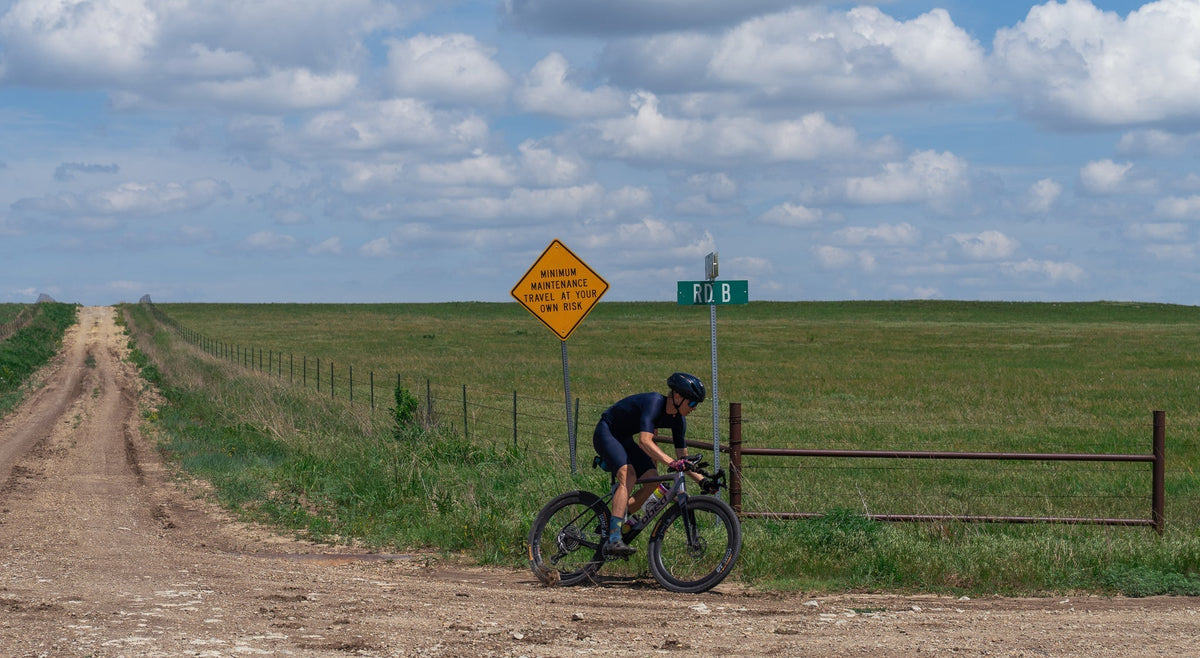
Ride about as long as you expect the race to take. If your race will take five hours, your sim takes five hours. The exception is the truly huge stuff, like Unbound 200, where riding the full duration in training would cost more recovery than it's worth. (I generally never do a training ride longer than 8 hours when prepping for Unbound.)
Most athletes should probably try to do at least three of these, somewhere between two and eight weeks before the event. They usually build progressively. The first one is about getting comfortable with the time in the saddle. The second adds sustained sweet spot or tempo. The final one is the real rehearsal: a hard start, then race pace for the full duration.
Timing matters too. Try to start your sim at the same time of day that your race starts. An early start forces you to practice your pre-race dinner and a light, quick breakfast. A later start puts you out in the afternoon heat, which is exactly where a lot of gravel races get decided.
Replicating Race Efforts

Gravel races usually start hard. The neutral start ends (if there even is one), and the pace goes nuclear. The group splits apart before anyone settles in, and these first moments have a major impact on where you finish in the race. A good sim opens the same way, with hard VO2 max or threshold work early, followed by long, sustained riding as you fatigue.
The efforts simulated should match the race or the course. A steady, flat event might mean doing long, even power late into the day. A course packed with punchy climbs and endless corners will likely require repeated surges. Look at the course profile, distance, and elevation gain, then build your ride around them. If you can, ride on gravel, not a smooth road, and definitely not in ERG mode on the trainer.
A useful way to pace the long middle section is by feel. Pick a perceived effort, say a 7 out of 10, and hold it. Your power will drift down as fatigue builds, and that's the point. Afterward, you can see where effort and power came apart, then try to push that point later on the next sim.
Testing Your Gear

Your simulation is the time to test your race setup. Set up your bike the way you'll race it: same tires, same tire pressure, same saddle, bars, shoes, cleats, bags, and bottles or hydration pack. Ideally, every piece has been dialed in about two months before so you’re not dealing with anything new on race day.
Then ride it hard. If a bolt is going to back out, a chain is going to snap, or a frame bag is going to rub your knees for six hours, you want to find out now. If you flat, great. Practice repairing a puncture. If plugging a tire takes 20 minutes instead of five, you know what to practice or fix before race day.
Keep in mind that you choose your own lines on a solo ride. In a race, you're often sitting on a wheel in a cloud of dust, so you end up hitting things you never saw coming. That's a strong argument for a little extra tire volume or more robust tread, and it’s a big reason I run 2.2” MTB tires on my GVR.
Nutrition and Fueling

Fueling is where a race simulation pays off most. Most riders target somewhere in the 60 to 120 grams of carbohydrate per hour range, and the sim is where you train your gut to handle it. If you're not used to that much, start lower and build over several weeks.
Use the exact products you'll race with. If you plan to rely on aid stations, find out which brand sponsors the event and train with it. You can even practice your aid station stops by looping past your house or car where you’ve stashed pre-mixed bottles and food. Practice getting in and out fast.
A few habits that keep fueling on track when you're cooked:
-
Eat and drink every 20-30 minutes. Always. Most riders fall behind four to five hours in. Practice staying consistent with fueling.
-
Count it all out the night before. Lay your nutrition out. Count out your total carbs, assign each item a pocket or bag, and bring the wrappers home to check your work.
-
Know your one-handed vs. two-handed food. Gels and pre-opened bars work on the move. Rice cakes and sandwiches may need a stop or a smooth section of road.
Why Do a Gravel Race Simulation?
It Reveals Weaknesses in Your Gear and Fueling

Race day is the worst possible time to learn something new. The sim is designed to break things, including you. Maybe your gut revolts in hour four. Maybe your hydration pack runs dry an hour earlier than you expected. Maybe your top tube bag strap rubs your thigh raw (this is the worst, ask me how I know).
Every one of those problems is a gift when you find it in training, because you still have time to fix it and test it again. It's okay to fail on these rides. Hitting the wall tells you exactly where your limit is and why you got there, whether it was fitness, fueling, or a mechanical.
It Helps You Execute on Race Day
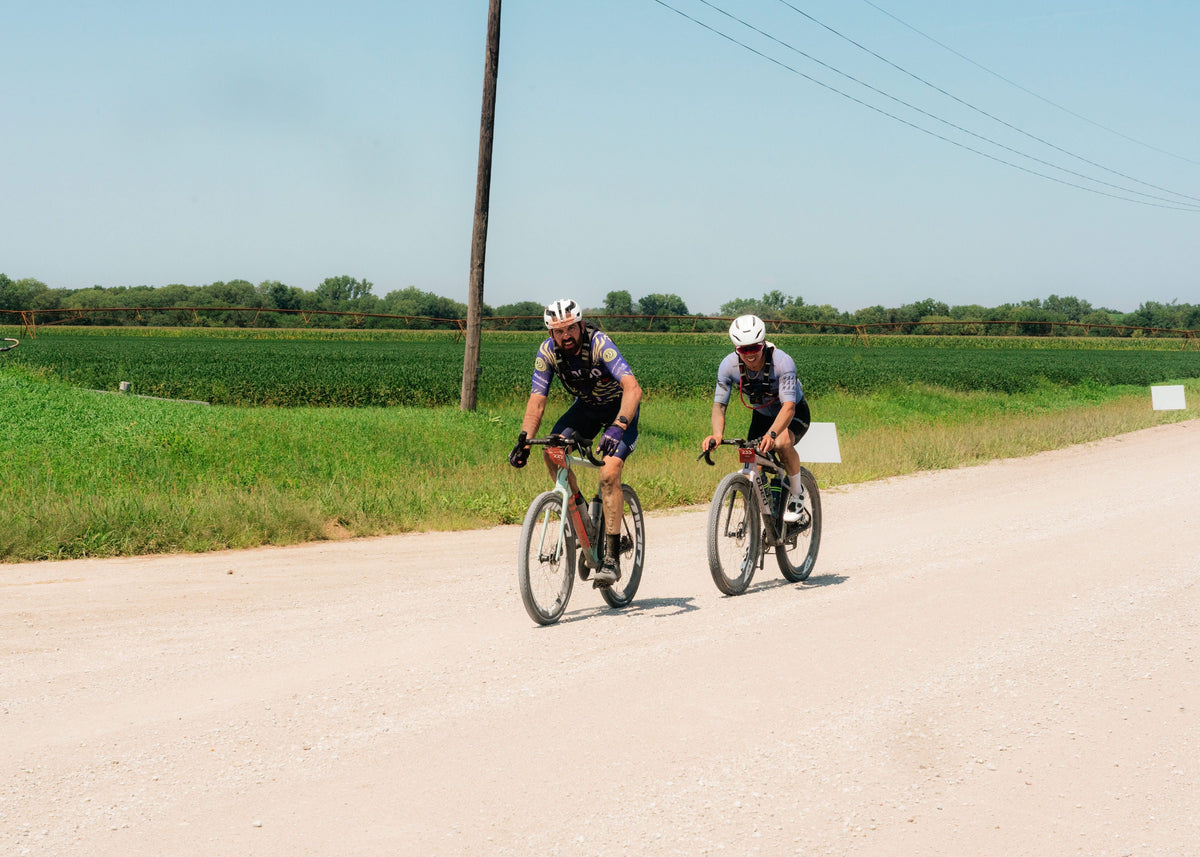
Gravel racing rewards the riders who keep going when everyone else is tired, and EVERYONE gets tired. The sim teaches you what that deep fatigue feels like and what it takes to push through it with less at stake. That's harder than it sounds, and pushing through in training builds huge confidence and real resilience.
By the time you reach the start line, you’ll already know you can ride that long and that hard. You know how much to eat, when to drink, and which pocket holds what. Race day becomes a matter of executing the plan you've already proven.
It Reduces Race-Day Stress and Anxiety

I am always super nervous before any race. These nerves usually come from unknowns. A good sim takes most of them off the table. Your bike is dialed, your fueling is tested, and you've already visited that dark place hours into a ride and pedaled your way out.
It also helps to know that the sim will likely feel harder than the race. You're training through these rides, not tapering into them. On race day, you'll hopefully show up rested, and with the excitement and adrenaline of competition propelling you forward.
My Gravel Race Simulation for Big Sugar

My coach, Ricky Arnopol, built this sim specifically for the demands of Big Sugar. The course rolls through the rough gravel of Bentonville, Arkansas, featuring multiple consecutive climbs in the two-to-five-minute range. There aren't many sections that allow you to settle in, so it's on the gas all day. Ricky split my sim into three phases that follow how the race is likely to unfold.
Phase I: Race Start
The first 2.5 hours are all about the chaos of the opening miles. Ricky had me do 14 x 2-minute VO2 max efforts spread across that block. Each one mimics a punchy Big Sugar climb where the front group surges and you either hang on or get gapped. It's the most demanding part of the race, so it's the most demanding part of the sim.
Phase II: The Crux Point
Every race has a crux point. For me, it's usually when the race finally settles down, or when I've been dropped and I'm on my own. Either way, my focus shifts from surviving surges to grinding out the remaining miles to the finish.
This middle phase is 90 minutes at Zone 2+, the high end of my Zone 2, which is 207 to 221 watts for me. It's not glamorous, but it's where a lot of races are won or lost. Can you keep the pressure on and keep fueling while your legs are already destroyed from VO2 work?
Phase III: The Finish

For the final 45 minutes, I lift the effort to Zone 3, or tempo, at 224 to 268 watts. This mimics the final battle to the line, when the group you’re in (hopefully you’re in a group!) starts racing again, and every rider is digging deep with whatever’s left.
This final phase finishes hard with a 1-minute, all-out effort to simulate the finish-line sprint. After hours of hard riding, it's a serious test of your durability and willpower.
Build Your Own Race Sim

If you do want help building and executing race sims before a big gravel event, I recommend FasCat Coaching! I know many of their coaches personally and would recommend any of them, and before I transitioned to one-on-one coaching with Ricky, I also used their CoachCat App.
However, you don't need a personal coach to get the benefits. Start with your race: how long it should take you, what the terrain looks like, when it starts, and what the aid stations carry. Then build a ride that opens hard, holds steady through the middle, and finishes with something to fight for at the end.
Ride your race bike exactly as you'll race it, eat exactly what you'll eat, and do it all two to eight weeks out so you have time to fix what breaks. Practice how you want to play. Then go have the adventure you trained for.